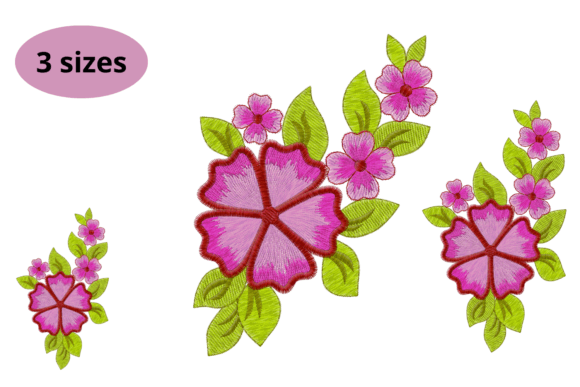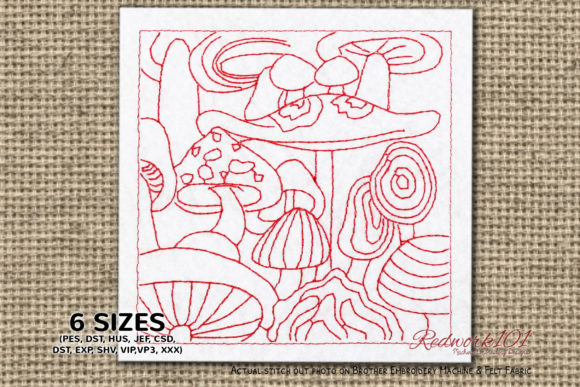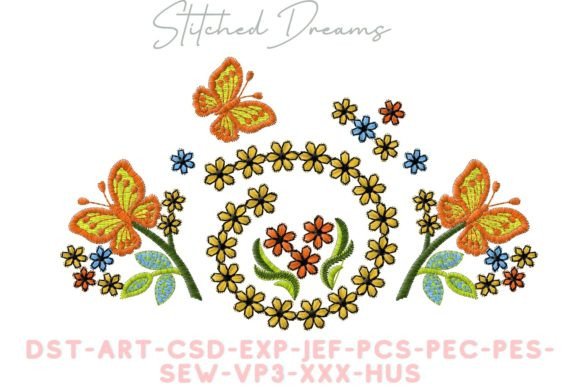
Oval Shaped Flowers: A Craft Fair-Ready Embroidery Design
First Impression: Elegant, Timeless, and Booth-Ready
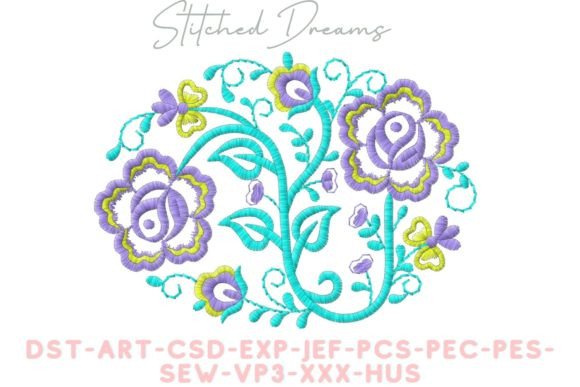
As an embroidery designer who’s prepped over 200 craft fair booths—from snowy holiday markets to sun-drenched summer fairs—I instantly recognize when a design *lands*. Oval Shaped Flowers delivers that quiet confidence: elegant without being stiff, decorative without feeling busy, and soft without sacrificing presence. It reads as “premium handmade”—not rustic, not modern-minimal, not cartoon-cute—but thoughtfully composed, like a pressed botanical sketch framed in vintage lace. That oval silhouette is its secret weapon: it guides the eye, creates instant balance, and feels intentional on any surface. For Bouquets Bunches buyers—especially those drawn to heirloom-style florals—it signals craftsmanship before a single stitch is sewn.
Where It Shines: Product-by-Product Reality Check
Tote bags: Perfect centered placement above the pocket or mid-panel. The oval frame prevents visual “floatiness” common with loose bouquets—and customers consistently pause longer at totes featuring this design. It photographs beautifully for Etsy listings, especially against natural linen or oatmeal canvas.
Aprons: Ideal just below the waistband or centered on the bib. Its symmetry flatters the apron’s shape, and the floral density reads as luxe—not overwhelming—when stitched in tonal thread (e.g., ivory on cream denim).
Tea towel embroidery: A standout. The oval contains the motif cleanly, avoiding corner crowding. Works exceptionally well on textured flour-sack cotton—just confirm stitch density isn’t too high in tight petal clusters; test on scrap first.
Embroidered patches: Highly viable. Trimmed and heat-applied, Oval Shaped Flowers becomes a giftable, scalable product—think “botanical charm pack” for makers. Ensure outer oval stitching holds clean edges during cutting.
Pillow covers & small pouches: Strong focal point at 3.5–4.5 inches wide. Avoid placing near seams where distortion may warp the oval shape. On curved surfaces like caps? Proceed with caution—this design relies on structural integrity of the frame; curved embroidery often softens definition.
Booth samples & printable mockups: This design converts effortlessly. Its clear boundaries and balanced negative space make it ideal for clean digital previews—no guessing where it starts or stops. Buyers trust what they can visualize instantly.
Production Practicality: What You’ll Actually Need to Know
This isn’t a “stitch-and-go” beginner file. Oval Shaped Flowers leans into detail—delicate stems, layered petals, fine decorative accents—so stitch density matters. Dense areas (center blooms, inner oval border) may require medium-weight cutaway stabilizer on lightweight fabrics, and extra hooping care on textured towels or thick twill caps.
It scales well from 3 inches (as a subtle accent on a cuff or pocket) up to 6 inches (bold statement on a market bag), but avoid shrinking below 2.75 inches—the delicate elements risk blurring, especially on dark fabric where thread contrast fades. Tiny details won’t pop on heavy fleece or corduroy; reserve it for smooth weaves like quilting cotton, linen blend, or midweight denim.
For batch production: yes, it’s repeatable—but only if you audit tension and thread transitions. Multiple color changes are implied by “exquisite arrangement” and “decorative elements,” so build in time for trims and rethreading. Don’t assume one thread palette fits all; test contrast on your top three fabric colors before committing to 50 tote bags.
Design Notes Every Embroidery Business Owner Should Follow
- Always test on scrap fabric—same type, same dye lot, same wash treatment—as your final product.
- Check thread contrast under both daylight and booth lighting; warm LED lights can mute cool-toned greens or purples.
- Review spacing between outer oval edge and inner florals—tight gaps may collapse on stretchy knits or after washing.
- Confirm hoop size compatibility before digitizing adjustments; if the design spans >5 inches, ensure your machines support that hoop without re-hooping mid-stitch.
- Inspect stitch density in petal clusters—over-stitched zones cause puckering on tea towels and thin cottons.
- Use the right stabilizer: cutaway for knits and towels, tear-away for stable wovens, no-show for sheer overlays.
- Create at least one real mockup—not digital—before listing on Etsy or packing for a fair. Real texture changes everything.
- Compare fabric colors side-by-side; ivory thread on ecru linen reads differently than on oatmeal canvas.
- Confirm commercial licensing before selling finished products—this is a digital embroidery file, and rights vary by seller. When in doubt, contact the original designer.
Why This Design Wins at the Craft Fair—and Online
Oval Shaped Flowers elevates perceived value without raising price points. Customers touch it and feel intention—not mass production. Its structure supports brand consistency: whether you’re embroidering for a farmhouse boutique, a modern gift shop, or your own Etsy store, it carries cohesion across product types. In a crowded booth, it draws attention through rhythm and restraint—not loudness. And because it’s rooted in classic botanical illustration, it avoids trend fatigue. You won’t need to retire it after one season.
For the Cricut + embroidery hybrid maker? Pair it with a simple foil-debossed tag or hand-lettered care card—it completes the story of care and craft. For the small shop product line? Use it as your signature “floral anchor,” then layer in coordinating single-flower designs or monogram add-ons.
In short: Oval Shaped Flowers isn’t just another embroidery file. It’s a quiet sales tool—designed to convert glances into conversations, and conversations into repeat buyers. Just remember: respect its details, honor your fabric, and always, always test first.