Using French Knots to Embroider Ladybugs
A Playful, Textured Touch for Boutique Apparel
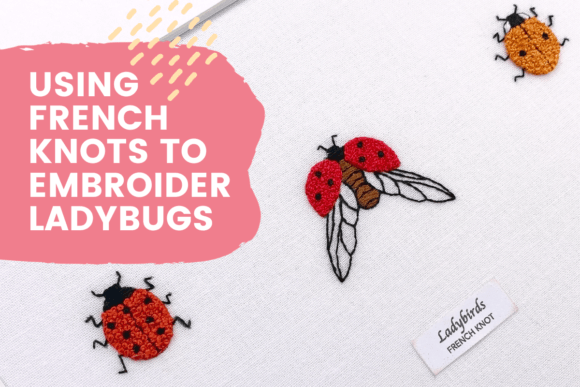
As an embroidery designer who’s developed collections for small clothing brands and Etsy sellers for over a decade, I approach every Creative Fabrica embroidery class with two questions: Does it translate meaningfully to apparel? And does it elevate the wearer’s experience—not just as craft, but as brand expression? Using French Knots to Embroider Ladybugs immediately stands out—not as a machine embroidery file, but as a hand-embroidery class that teaches a technique with serious design potential. Its visual personality is warm, whimsical, and quietly confident: think cottagecore charm meets modern botanical illustration. It’s not overly sweet or childish—it leans into subtle contrast (glossy black dots against soft red fabric), intentional texture (those raised French knots), and balanced negative space. That makes it feel premium yet approachable—ideal for a boutique brand wanting handmade authenticity without sacrificing polish.
Why This Class Works for Sweatshirt & Hoodie Projects
For sweatshirt embroidery and hoodie design, texture is everything. Smooth knits and brushed fleece absorb flat stitches—but French knots pop. I tested the ladybug motif concept on a neutral oatmeal hoodie chest placement: the three-dimensional dots created instant tactile interest, catching light differently than satin stitch or fill. On pastel hoodies, the contrast stays soft and cohesive; on charcoal or navy, it gains quiet sophistication. For oversized garments, the ladybug scales beautifully—its compact shape avoids visual clutter, while the knot density adds weight without heaviness. Sleeve accents? Yes—especially near the cuff or shoulder seam where movement draws attention to the texture. Back designs benefit too: a cluster of three or five ladybugs (as suggested in the class) reads as intentional art, not decoration.
Where It Shines—and Where to Pause
- T-shirts: Works best on midweight cotton or linen blends—avoid ultra-thin jersey unless stabilized heavily. The knots hold shape better than thread-heavy fills on stretchy fabric.
- Denim jackets: A standout. The rustic texture of denim contrasts beautifully with the refined precision of French knots—ideal for a lifestyle product photo or seasonal capsule collection.
- Tote bags & cozy layers: Excellent for wool-blend scarves or canvas totes. The technique resists flattening over time, maintaining visual integrity in high-use items.
- Curved surfaces & ribbed fabric: Requires careful hooping and stabilizer choice—test first. French knots tolerate gentle curves better than dense satin columns, but avoid tight seams or deep ribbing without reinforcement.
Building Brand Identity Through Thoughtful Detail
For a small shop product or custom apparel line, consistency matters—but so does character. Using French Knots to Embroider Ladybugs isn’t just a motif; it’s a signature technique you can adapt across your range. Use the same knot tension and thread palette (e.g., DMC 310 black + 304 red) across sweatshirts, tote bags, and gift tags—creating visual continuity that customers subconsciously recognize. That builds buyer trust: they know your handmade product means considered construction, not just surface-level charm. In Etsy listings or social media graphics, the ladybug becomes a quiet brand marker—especially when styled alongside complementary elements like dried lavender sprigs or clay buttons. It reads as intentional, not incidental.
Practical Notes from the Embroidery Studio
Before committing to production, treat this class like any commercial embroidery resource—verify its fit for your workflow:
- Test on scrap fabric that matches your target garment—fleece, French terry, or ribbed knit—to assess how knots sit and whether stabilizer shows.
- Review thread color contrast carefully. Red-on-red or black-on-charcoal may read as tonal rather than graphic—adjust thread choice for clarity on dark garments.
- Confirm hoop size and stitch density expectations. While this is a hand-embroidery class, your final application may inform machine-stitched interpretations—so note spacing and knot grouping patterns.
- Compare placement options: chest, sleeve, back yoke, or even inside pocket flaps. Small chest placement works well, but avoid areas prone to stretching (like underarm seams) where knots could distort.
- Check Creative Fabrica product details thoroughly—especially licensing terms for finished apparel. Since this is a Classes product, confirm whether derivative designs (e.g., your own ladybug variations using the taught technique) are permitted for commercial use.
Final Thoughts for Creative Entrepreneurs
Using French Knots to Embroider Ladybugs isn’t just about stitching insects—it’s about mastering a tactile language that communicates care, craftsmanship, and quiet joy. For apparel decorators and digital sellers building a boutique brand, that nuance translates directly to customer engagement. When a buyer runs their fingers over those raised dots on a sweatshirt, they’re not just feeling thread—they’re sensing intention. That’s what makes handmade product stand out in a crowded market. Whether you’re designing for seasonal collections, limited-edition drops, or evergreen lifestyle merchandise, this class delivers more than a motif: it offers a repeatable, scalable way to embed warmth into your commercial embroidery practice. Just remember—the strength of Using French Knots to Embroider Ladybugs lies not in replication, but in thoughtful adaptation. Let the technique guide your voice—not the other way around.